Why a Skillet Is Your Essential Kitchen Tool: Mastering Everyday Cooking
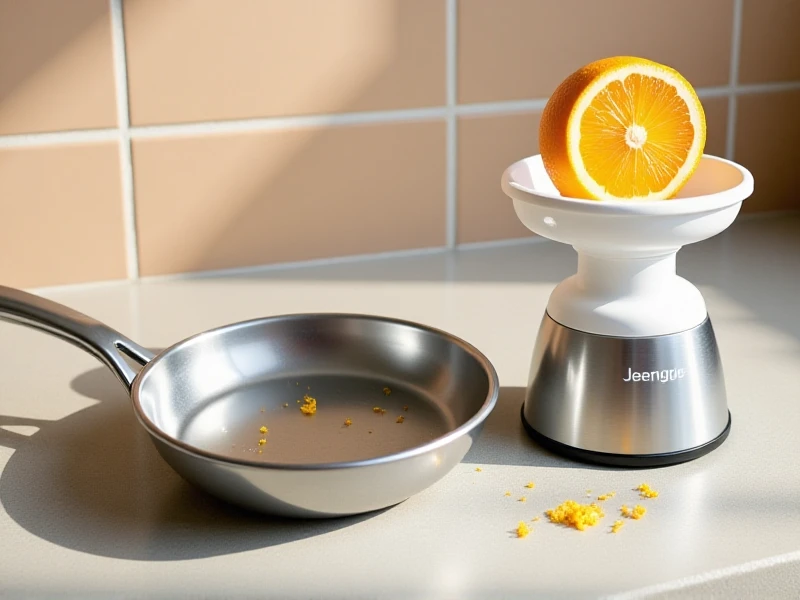
Ever wondered why countless chefs and home cooks consider a skillet their kitchen MVP? It's simple: versatility, durability, and unmatched cooking performance. Whether you're searing steaks, whipping up stir-fries, scrambling eggs, or baking cornbread, a good skillet handles it all. Discover why owning the right skillet can revolutionize your time at the stove.
Unbeatable Heat Control: A quality skillet, especially cast iron or carbon steel, excels at rapidly heating to high temperatures and holding that heat consistently. This creates the perfect environment for achieving that elusive restaurant-quality sear – a golden, flavorful crust on meats, fish, or tofu. Unlike thinner pans that scorch unevenly or lose heat the moment food hits them, a proper skillet builds the foundation for consistent caramelization and delicious meals.
One Pan, Endless Meals: The true power of a skillet lies in its versatility. Start by sautéing aromatics like onions and garlic. Add your protein – chicken thighs, ground beef, or shrimp – for a perfect sear. Toss in chopped vegetables or greens and cook until tender-crisp. Finish by deglazing the pan with broth, wine, or cream; scrape up the precious browned bits ("fond") clinging to the bottom to build incredibly rich pan sauces or gravies. This seamless progression from searing to braising or sauce-making, all in one skillet, defines convenience and flavor fusion.
Choosing Your Workhorse:
- Cast Iron Skillets: Prized for incredible heat retention, natural non-stick properties (once seasoned), and going oven-to-stovetop. Perfect for searing, baking, frying, and even campfire cooking. They require proper seasoning and care but last generations. Look for a smooth cooking surface.
- Stainless Steel Skillets: Offer quick heating, durability, and resistance to sticking with proper temperature management and cooking fat. Their non-reactive surface is ideal for ingredients like tomatoes or wine-based pan sauces. They're dishwasher-safe and low-maintenance compared to cast iron. Many feature an aluminum core for superior heat distribution.
- Non-Stick Skillets: Ideal for low-fat cooking tasks like eggs, pancakes, or delicate fish. While convenient, they generally shouldn't be heated as high as cast iron or carbon steel and may wear out faster. Great as a secondary option alongside a traditional skillet.
Care is Key: Maximize the lifespan of your skillet with proper care. Season cast iron regularly. Hand-wash most pans (non-stick usually requires this). Avoid drastic temperature changes on hot pans. Mastering simple maintenance ensures your skillet remains a reliable partner every time you cook.
Ultimately, a skillet is more than just a pan; it's the cornerstone of efficient, effective cooking. Investing in a quality one and learning its potential unlocks a world of culinary possibilities. From quick weekday dinners to impressive weekend feasts, a good skillet is the indispensable tool that makes it happen. Get comfortable using yours – it's likely the kitchen essential you'll reach for most often. My well-seasoned cast iron skillet, passed down, consistently delivers perfectly crispy chicken thighs and flavorful roasted vegetables. What dish will you master first in your favorite skillet?